
Insights
Full EPC or Unbundled Structures in BESS Projects in Italy: What Is the Impact on Bankability?
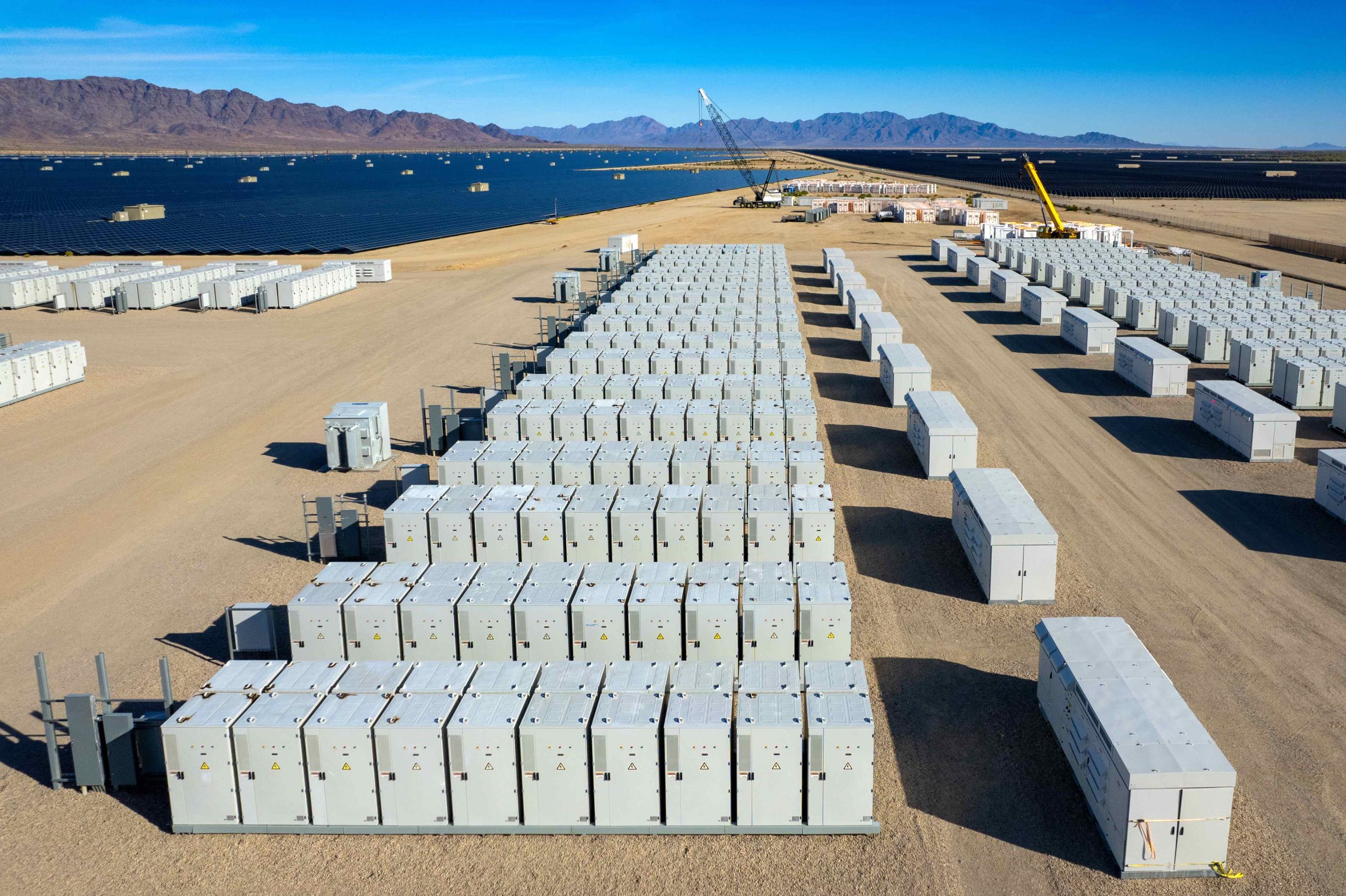
With the rapid growth of the Italian BESS market, accelerated by the opportunities offered by the Capacity Market and MACSE, developers and investors need to assess which contractual structure to adopt for the delivery of an energy storage project: a “full EPC” contract or an “unbundled” approach.
The decision is often analysed in terms of costs, flexibility and control over the project. However, there is another equally important aspect: the impact on the bankability of a BESS project.
From an investor’s perspective, the key question is not which contractual model is adopted, but rather how the technical and construction risks that could affect the project’s ability to generate the expected cash flows are identified, allocated and mitigated.
Two Different Approaches to BESS Project Delivery
Under the “full EPC” model, a single contractor takes responsibility for the engineering, procurement and construction of the facility. The client has one main counterparty responsible for delivering the project according to predefined requirements in terms of performance, schedule and costs.
Under the “unbundled” model, the project is divided into different contractual packages. Batteries, PCS (Power Conversion System), control systems, substation, civil works and integration activities may be awarded to different suppliers, with coordination carried out directly by the developer or by a party appointed to manage the project, such as an Owner’s Engineer.
In recent years, this second approach has become increasingly common in the BESS sector, particularly in more mature markets, including Italy, where developers and investors are seeking greater flexibility in technology selection and the negotiation of commercial terms.
Bankability of BESS Projects: What Banks and Lenders Assess
A common assumption is that banks automatically prefer a full EPC structure. In reality, the situation is more complex.
For a lender, having a single EPC contractor certainly simplifies risk management. However, this does not mean that an unbundled project is necessarily less financeable.
Similarly, a full EPC contract does not in itself guarantee complete risk coverage. In BESS projects, the EPC contractor is often a Balance of Plant (BoP) provider that purchases the storage system from a third-party manufacturer. Performance and degradation warranties are therefore passed through on a “back-to-back” basis from the supplier.
The Technical Due Diligence verifies that the EPC contractor’s liability limit and the cap on liquidated damages are proportionate to the value of the battery supply. It also assesses whether the contractor’s financial strength is adequate for the obligations undertaken and whether the manufacturer’s warranties remain enforceable by the client even in the event of EPC contractor insolvency.
What matters is the ability to demonstrate that interface risks between the different suppliers have been properly identified and that clear contractual mechanisms are in place to manage potential issues during construction and commissioning.
In other words, the central issue is not the contractual structure itself, but the robustness of the allocation of responsibilities.
Technical Due Diligence for a BESS Project: Key Issues to Assess
During the Technical Due Diligence of a BESS project, a significant part of the analysis focuses precisely on assessing the interfaces between the different parties involved.
The aspects most frequently analysed include:
- definition of the scope boundaries between the different contracts;
- responsibility for the integration of batteries, PCS, Energy Management System (EMS) and auxiliary systems;
- coordination of commissioning activities;
- management of performance testing;
- allocation of responsibilities in the event of delays;
- insurance coverage of the different parties involved;
- warranty and liquidated damages regimes;
- allocation of responsibilities during the operational phase, for example when a reduction in capacity or availability may be attributable either to the cells or to the EMS dispatch logic, involving different suppliers and warranties.
When these elements are not clearly defined, there is a greater risk that issues may be attributed to different parties without it being immediately clear who is actually responsible. It is precisely this uncertainty that tends to concern lenders the most.
This issue is particularly sensitive for projects awarded under MACSE or the Capacity Market. The obligations undertaken towards Terna, in terms of the availability start date and guaranteed capacity, are single and cannot be divided. Under an unbundled structure, however, penalties for delays and underperformance are distributed across multiple contracts, each with its own cap.
A delay caused by an interface issue may therefore not be recoverable from any individual supplier, while still exposing the project company to the penalties established under the capacity mechanism.
Why the Unbundled Approach Is Gaining Ground in the Italian Market
Despite the additional coordination complexity, many developers continue to favour unbundled models for several reasons.
First, they provide greater freedom in the selection of technologies and suppliers. In a rapidly evolving market such as energy storage, this flexibility can translate into significant advantages in terms of performance, equipment availability and cost optimisation.
In addition, the increasing standardisation of BESS technologies and the experience gained by market players are making complex contractual structures easier to manage than they were in the first utility-scale projects.
However, this greater flexibility requires increasingly advanced technical expertise and coordination capabilities throughout all stages of the project.
How Lenders Manage Interface Risk
The findings of the Technical Due Diligence are directly reflected in the financing documentation. In unbundled projects, the Facility Agreement frequently includes specific requirements as Conditions Precedent to financial close, such as:
- execution of all key contracts, with an integrated project schedule and consistent guaranteed dates;
- an interface agreement or responsibility matrix shared among the suppliers;
- appointment of an Owner’s Engineer with an appropriate scope of work;
- a project-wide CAR policy, preferably including Delay in Start-Up (DSU) coverage.
These requirements are often accompanied by a higher budget contingency, a cost overrun facility, or sponsor support commitments through completion.
Finally, the completion test established under the financing agreement requires the coordinated testing and successful performance of all subsystems, rather than assessing each individual contract in isolation.
The Role of the Owner’s Engineer and Technical Due Diligence
In projects with an unbundled structure, the role of the Owner’s Engineer becomes particularly important.
The scope is not limited to the technical review of the solutions adopted. It also includes assessing consistency across the different supply packages, analysing contractual responsibilities and identifying potential gaps that could generate risks during construction or operation of the facility.
Similarly, independent Technical Due Diligence enables investors and lenders to understand whether the project has appropriate mitigation mechanisms in place and whether the residual level of risk is compatible with the proposed financing structure.
In a context where energy storage projects are increasing in scale and adopting increasingly complex revenue models, this type of analysis becomes a fundamental part of the decision-making process.
Conclusions
The choice between full EPC and unbundled structures cannot be reduced to a simple assessment of costs or contractual preferences.
For lenders and investors, the decisive factor is the project’s ability to demonstrate effective management of technical, construction and operational risks.
An EPC contract may offer greater simplicity in the allocation of responsibilities, while an unbundled approach can provide greater flexibility and control. Both structures can be fully bankable, provided that interfaces are properly managed and risks are clearly identified, allocated and mitigated.
In a rapidly evolving BESS market such as Italy, the quality of the contractual structure and its technical assessment will increasingly determine whether a promising project can become a financeable investment.
Are you considering a full EPC or unbundled structure for a BESS project in Italy? Our team can support you with Technical Due Diligence, interface assessment and Owner’s Engineering services. Contact us at info.italy@enertisapplus.com.