
Insights
Battery energy storage thermal management: from active cooling to passive BESS design
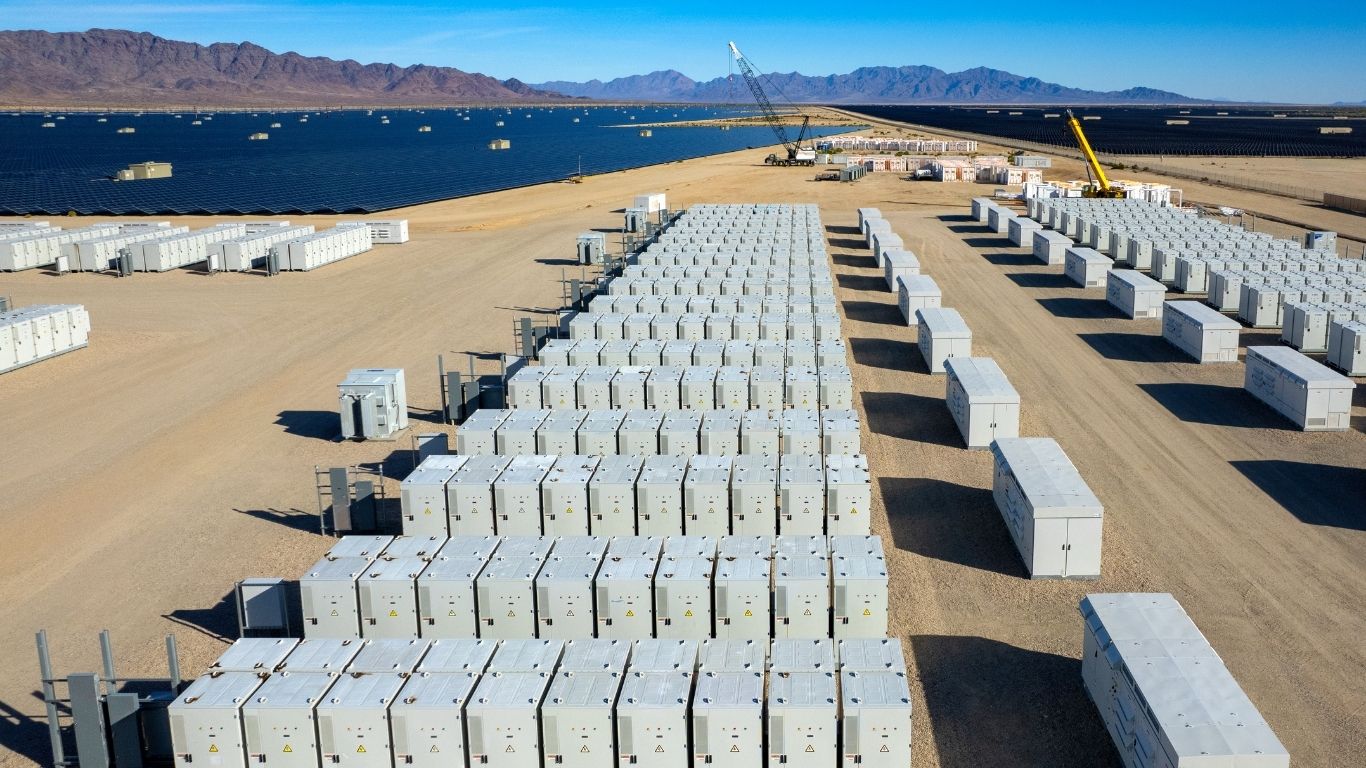
As battery energy storage systems (BESS) scale globally, thermal management has emerged as a defining factor for long term performance, safety, and asset value. In his guest article published by Energy Storage News, William Lauwers, Head of Technology, BESS, examines how early projects—often designed with heavy, energy intensive cooling approaches —are giving way to more resilient, thermally passive BESS system designs.
Hot thermal design impacts BESS performance and risks
Our article explores how BESS thermal engineering decisions made during design and procurement directly influence degradation rates, auxiliary power consumption, operating costs, and exposure to operational risk over the life of a BESS asset. Drawing on field experience across diverse climates, it highlights why reducing reliance on active cooling systems can improve reliability, simplify operations, and strengthen project bankability.
By reframing thermal management as a system‑level design challenge rather than a standalone equipment issue, the article underscores the importance of integrating thermal resilience into early‑stage engineering, independent technical due diligence, and ongoing asset management strategies. The result is a more robust BESS architecture, capable of delivering predictable energy storage performance under real‑world operating conditions.
Read our guest article on BESS thermal management.
As the U.S. BESS industry accelerates, our technical advisory expertise empowers clients to mitigate risk, assure quality procurement, strengthen project economics, and secure financing, even in a rapidly shifting policy environment.
Reach out to our team at info.us@enertisapplus.com to explore how we can add value to your next energy storage investment.